
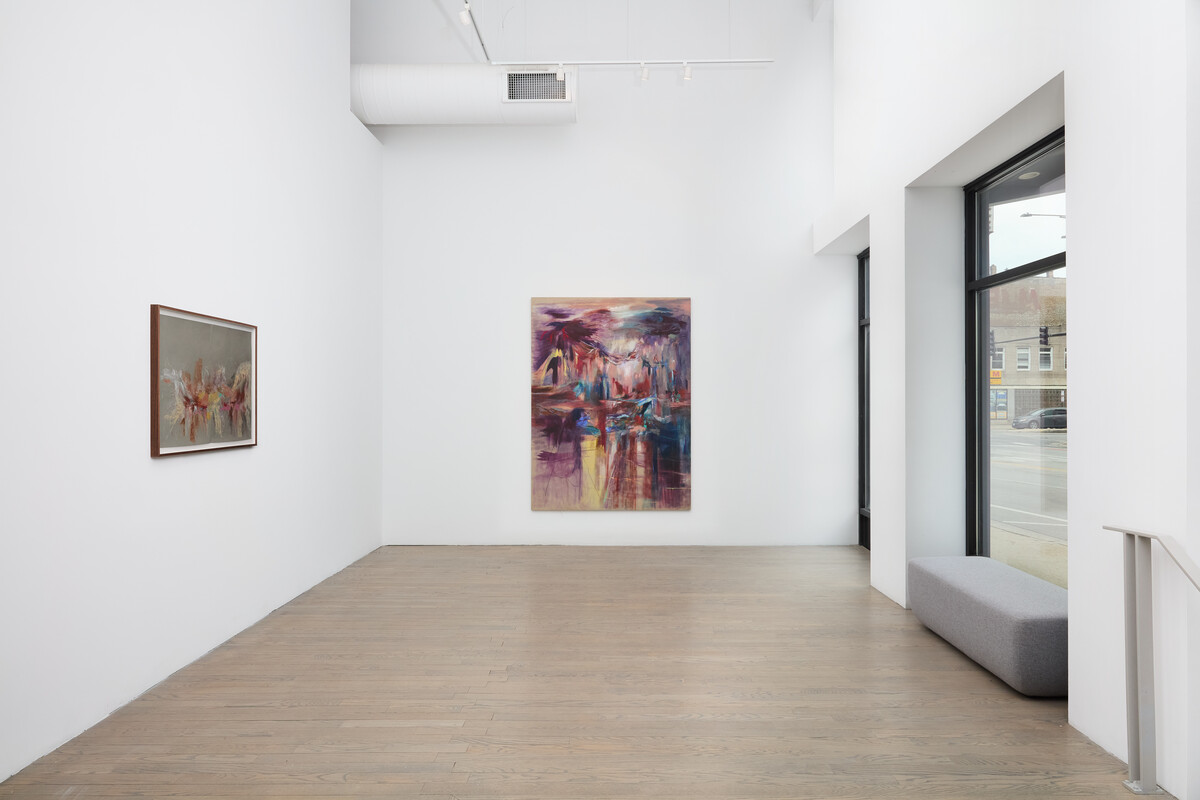
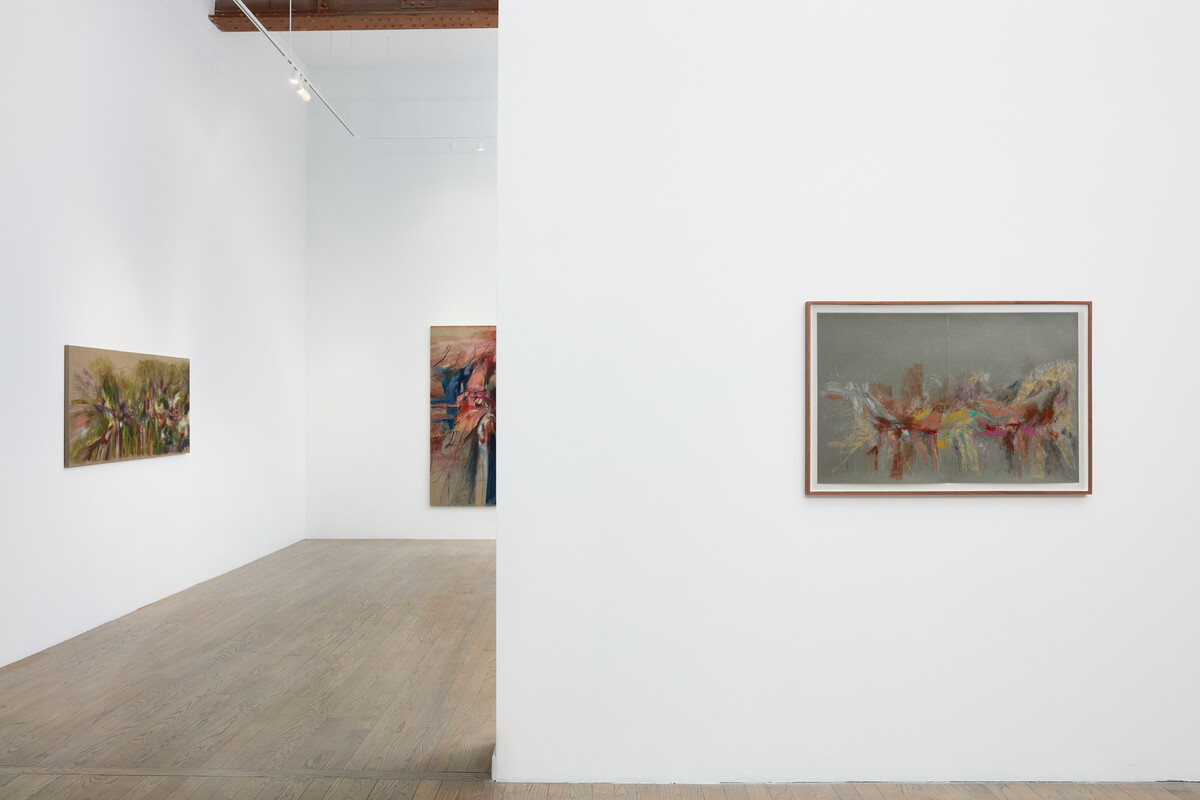
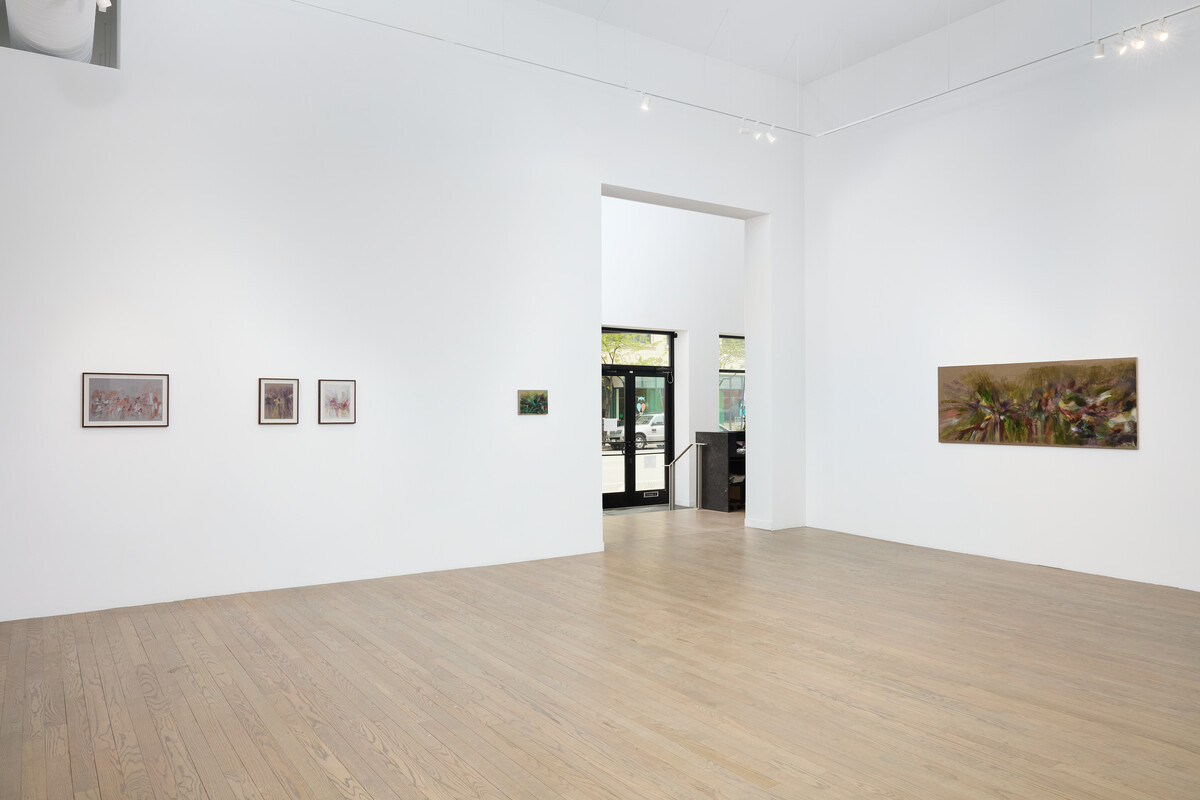
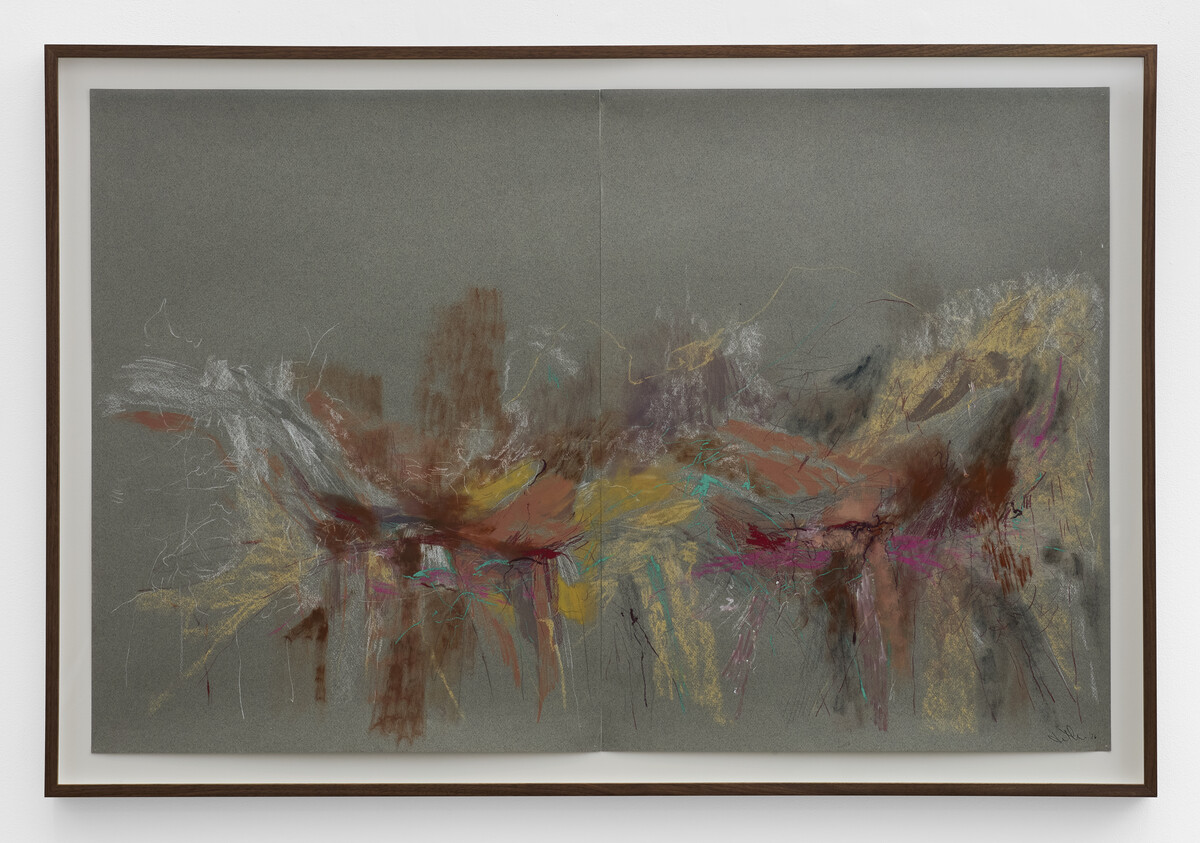
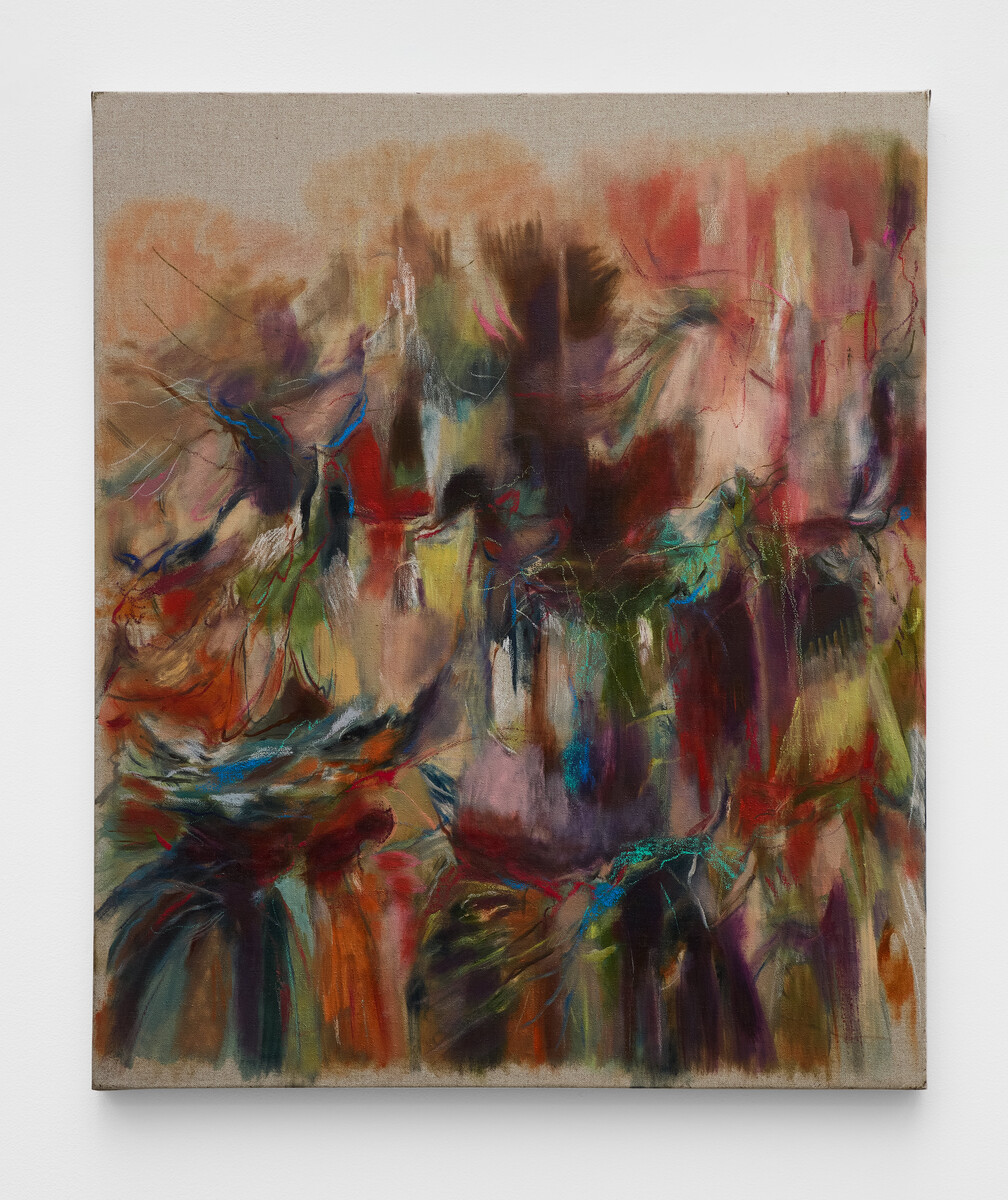
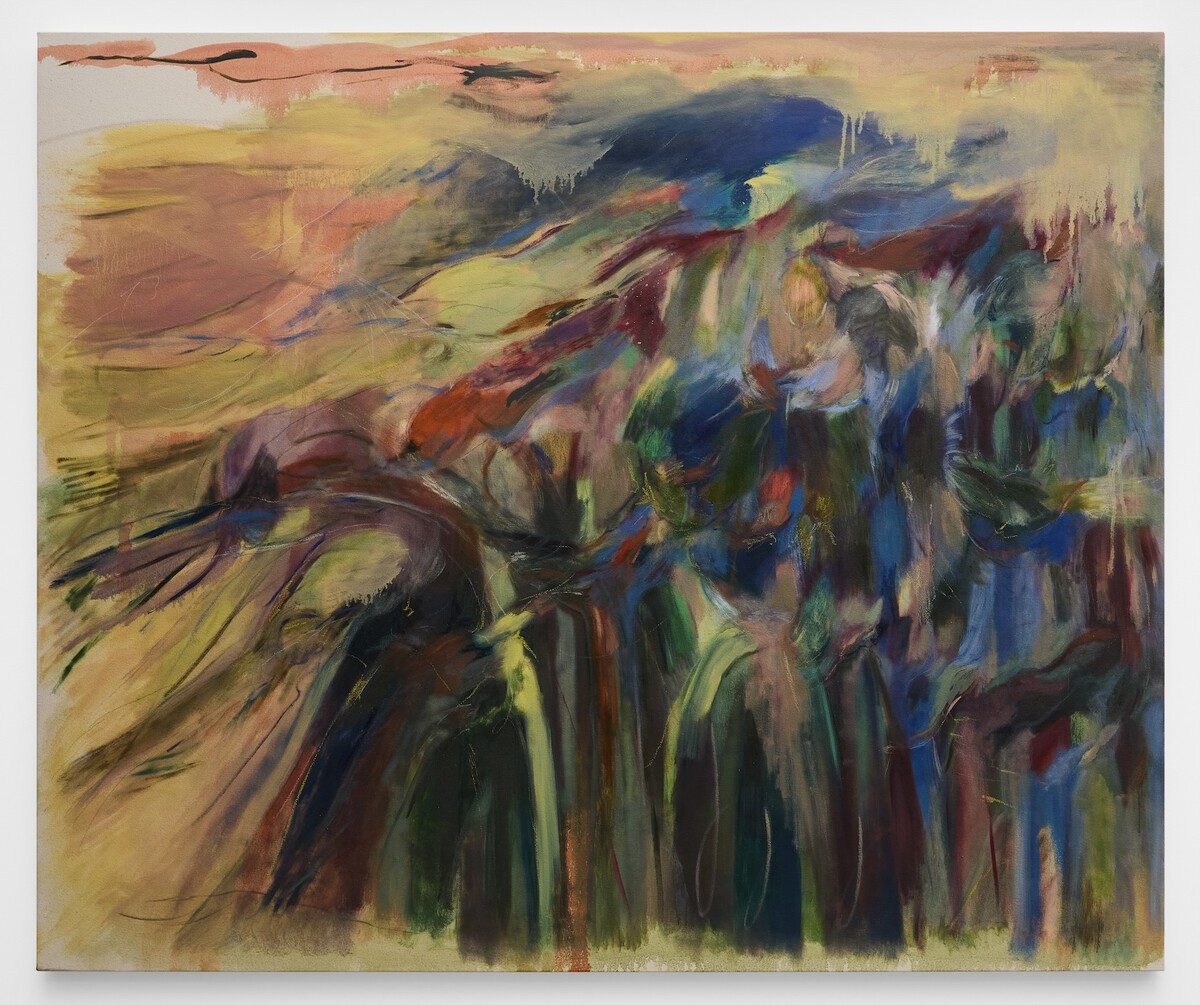
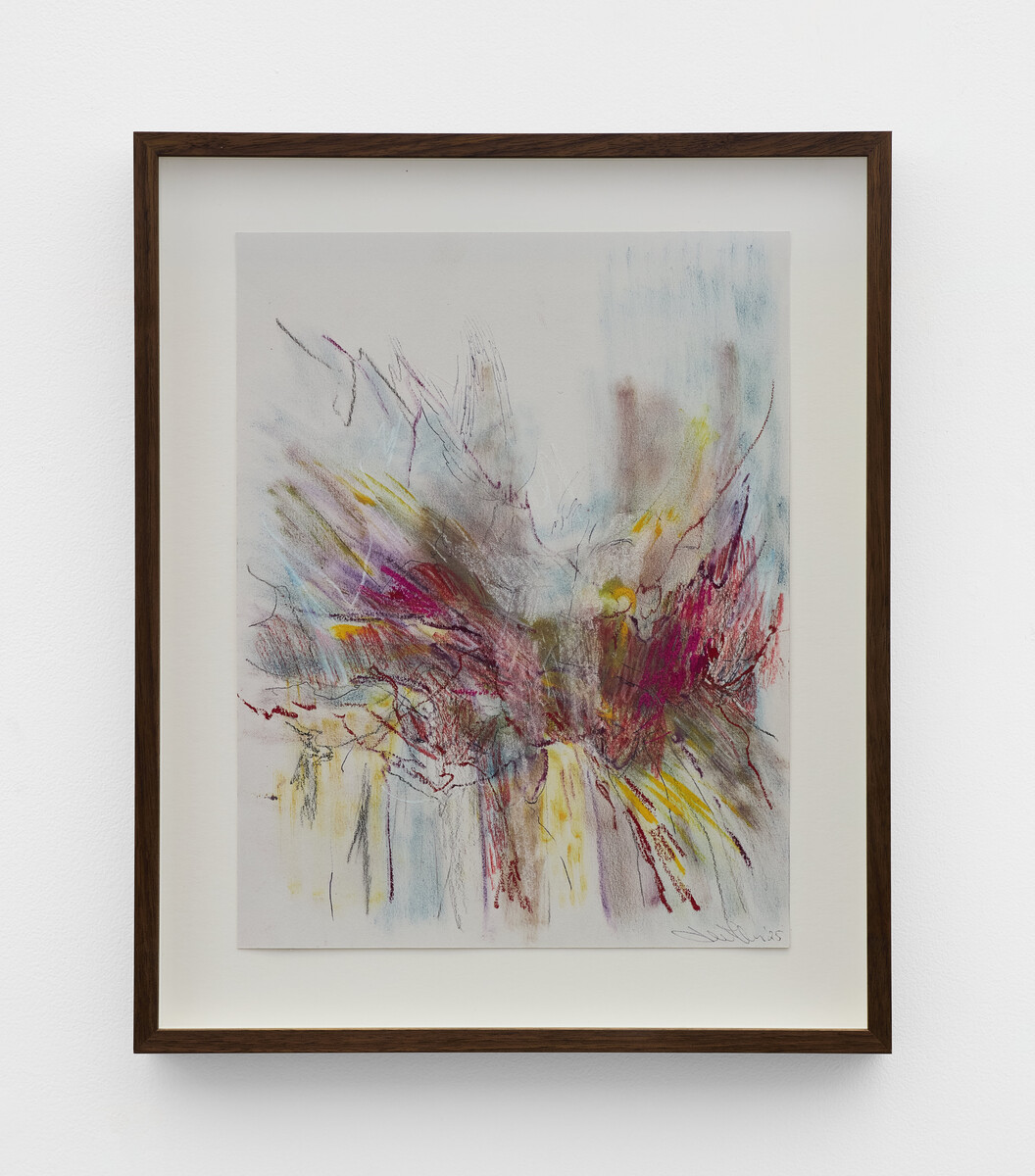
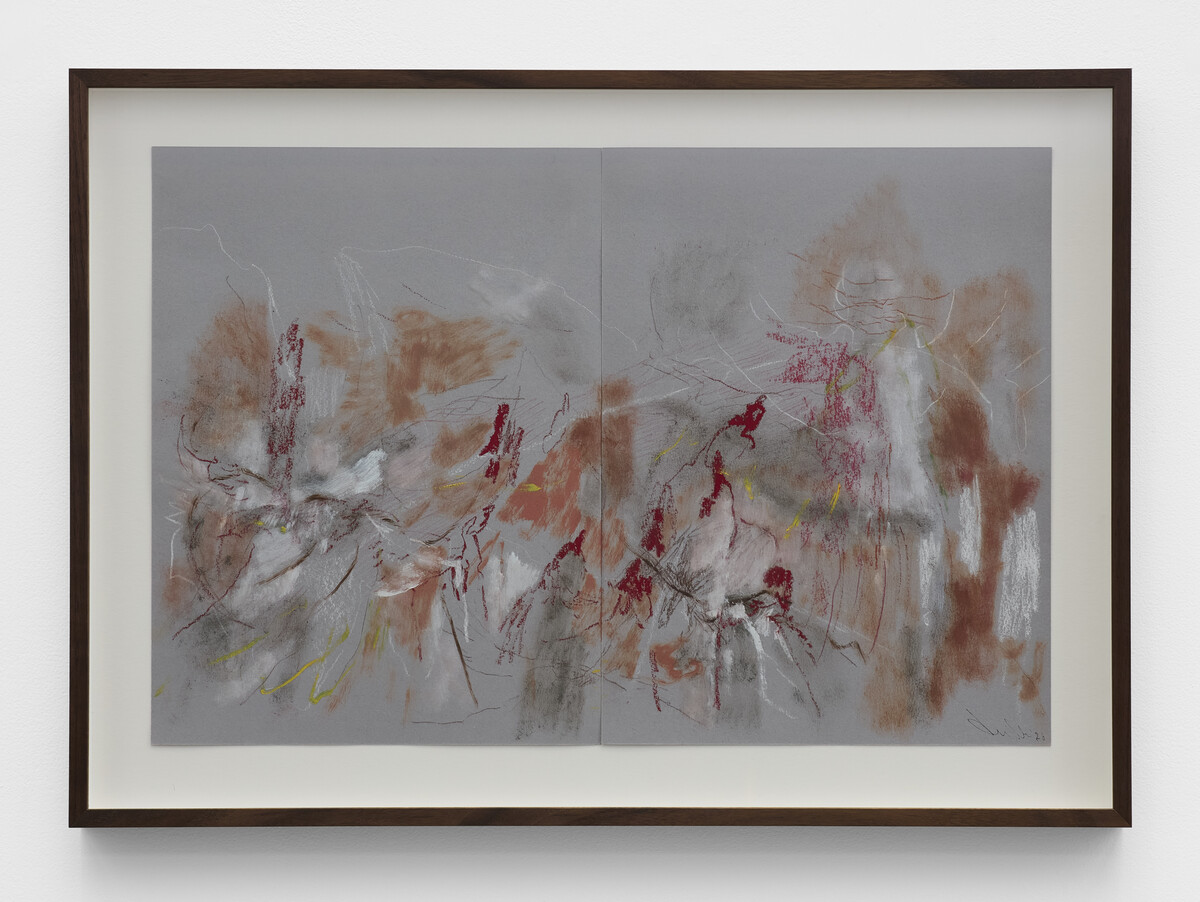
PATRON announces Garden of Prayer, our second solo exhibition with New York-based artist Nour Malas (b. 1995, Cannes, France). Borrowing its title from a 1971 song by Max Roach and The J.C. White Singers, the exhibition invokes jazz’s improvisational exploration of form and gospel’s devotional intensity, through a series of expansive paintings and pastel works on linen, paper, and silk fabric. Over the past five years Malas has developed a physical, poetic practice, driven by an inert impulse to give form to the emotional states of being alive. Spending her formative years between Europe and the Middle East, before studying in London and Chicago, Malas’s work is informed by her experience of cultural hybridity, transforming diverse legacies of song, poetry, music, and visual culture into abstraction.
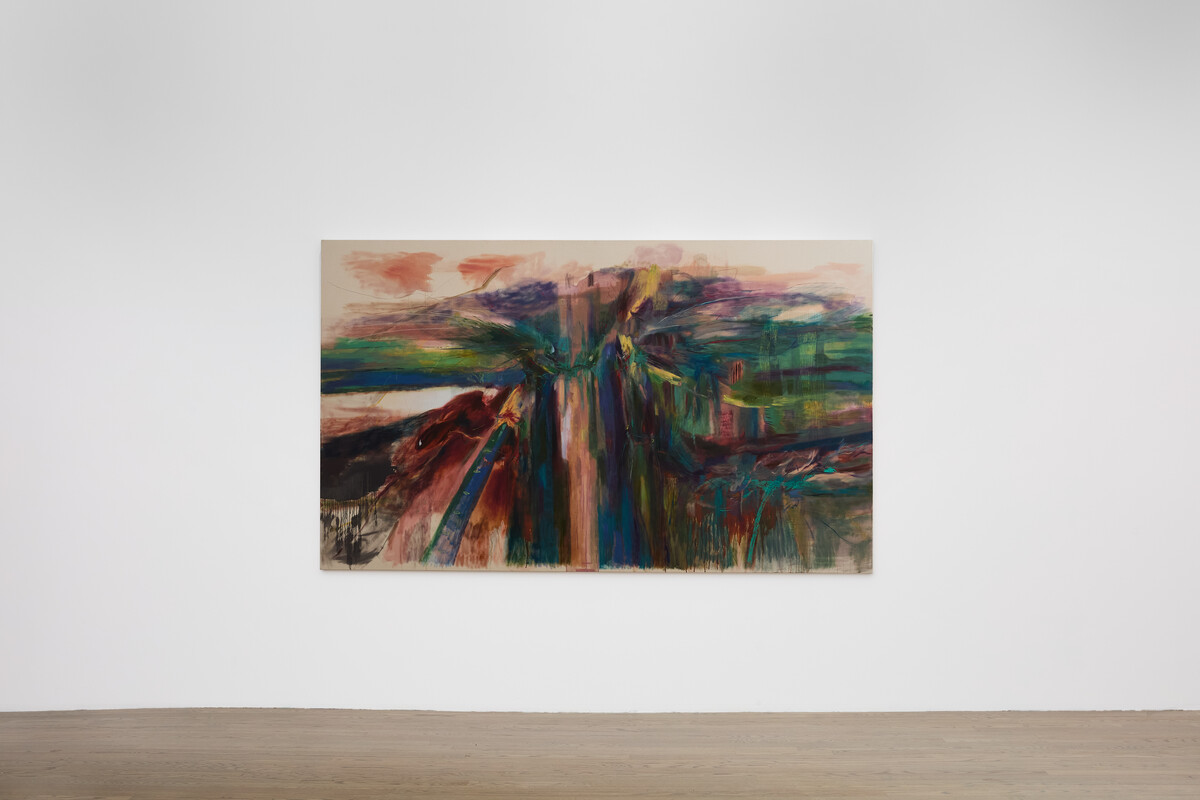
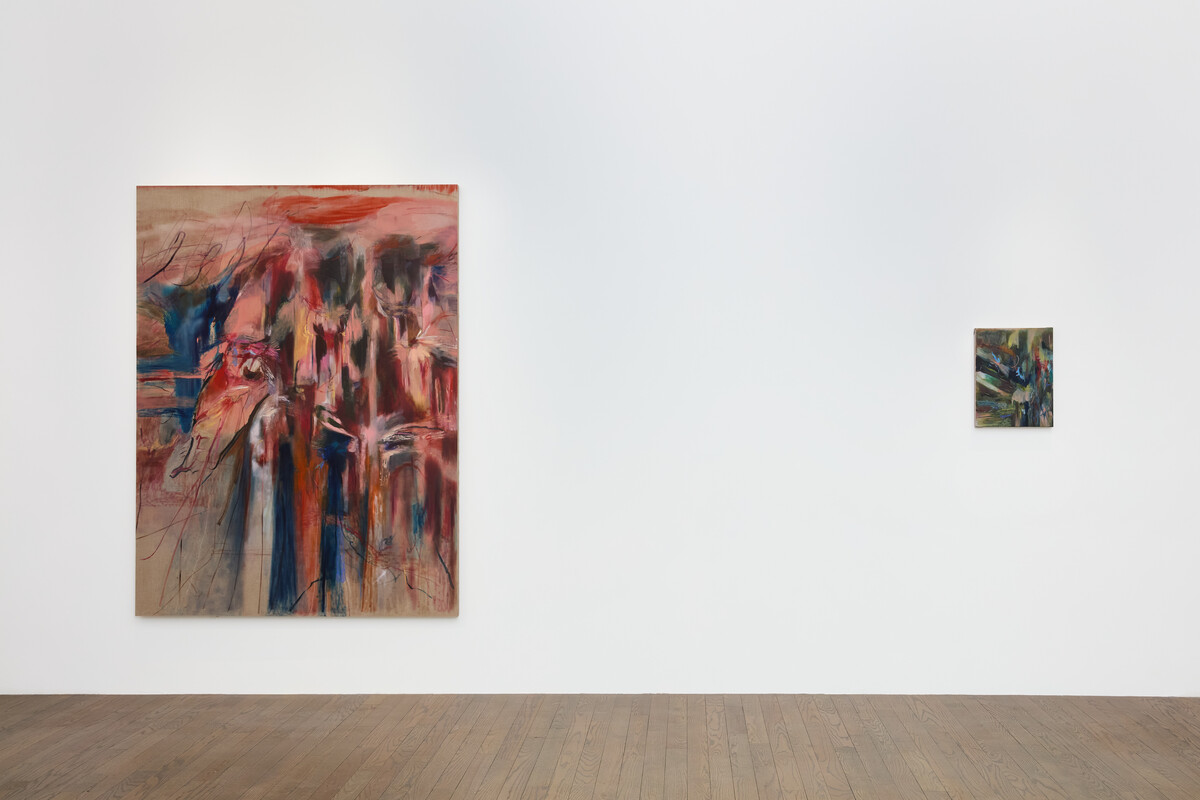
Shaped memories of place, mood, architecture, and drawing on an intimate knowledge of art history, Garden of Prayer marks a considerable shift in Malas’s practice over the past year. Developed over the last five months, the work in the exhibition results from a perspective of turning inward, holding, honoring, and communing with personal history and familial lineages, as spaces in which possible realities may be lived. The result is a corpus of expansive landscapes of alternative states, transcendent yet accessible, outside shared human experiences of suffering, otherworldly, yet deeply familiar.
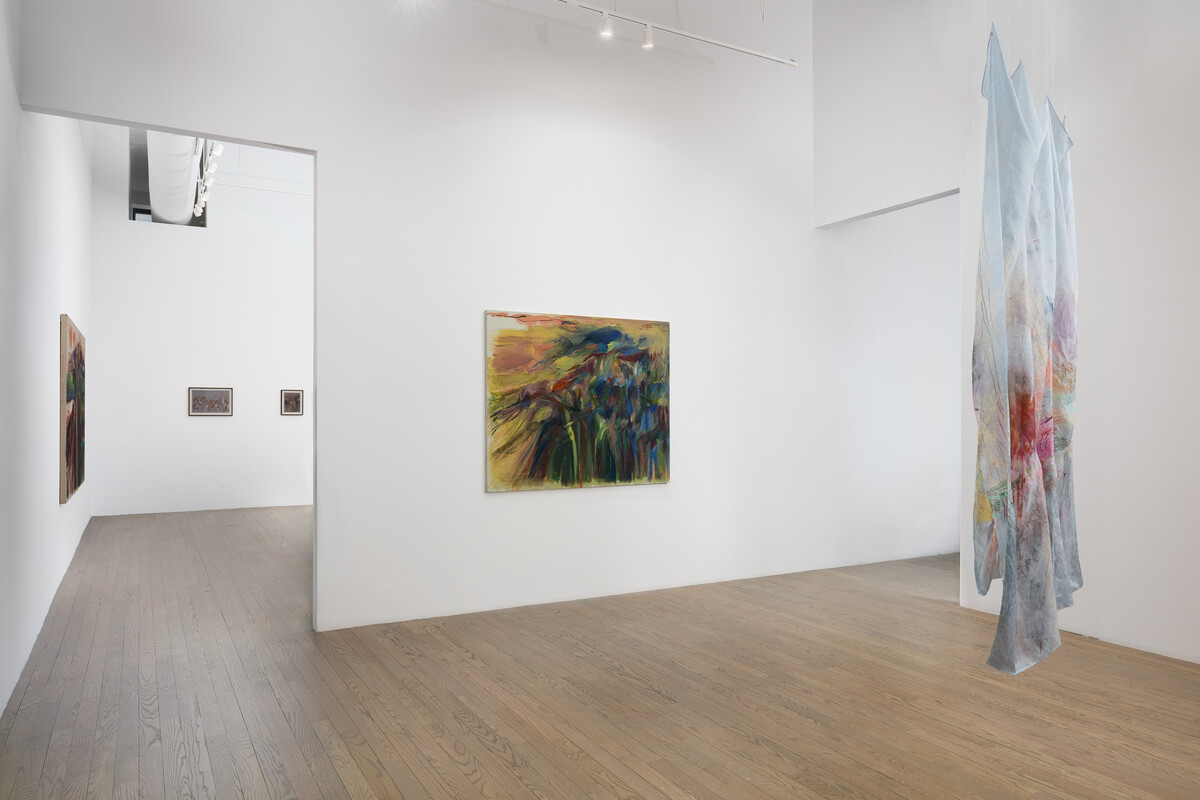
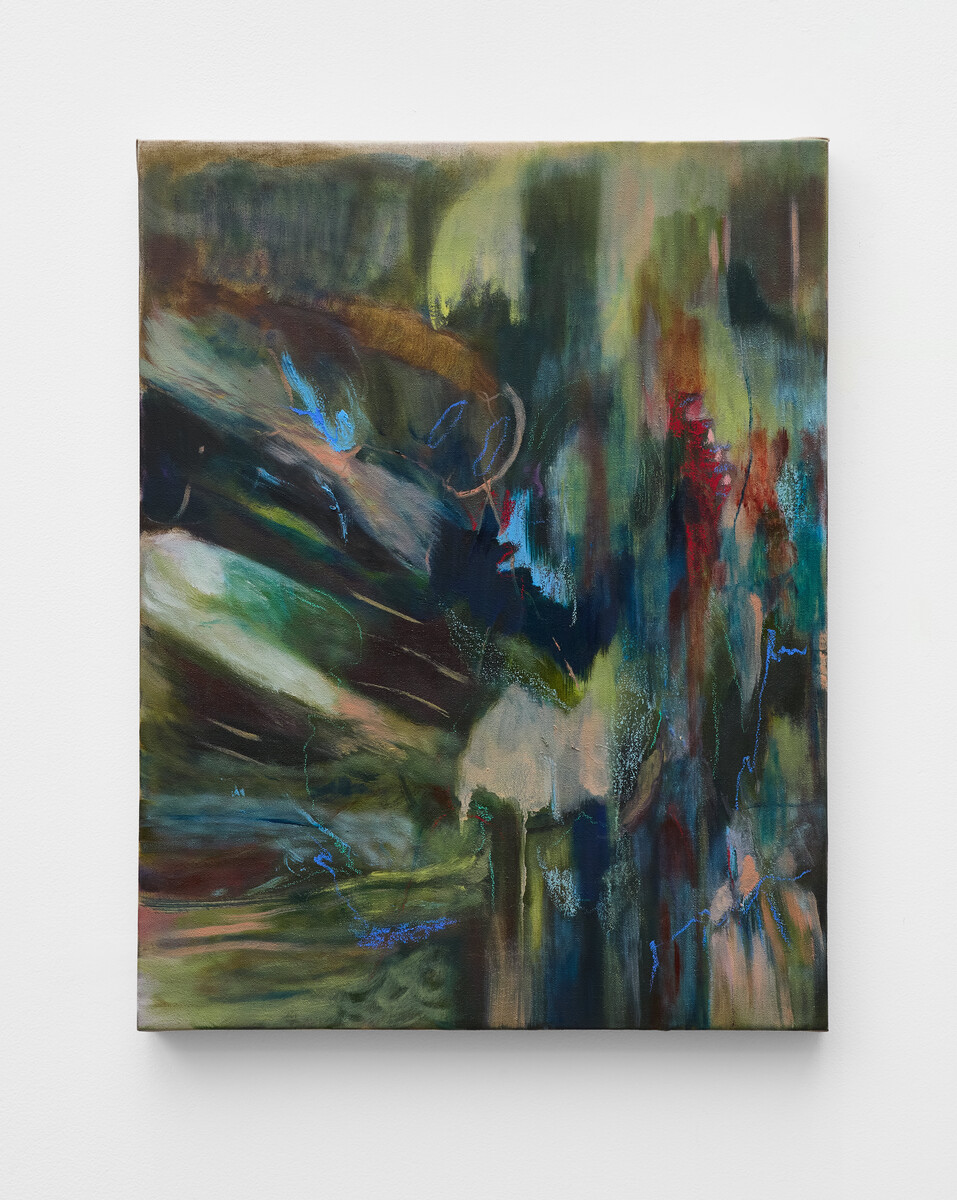
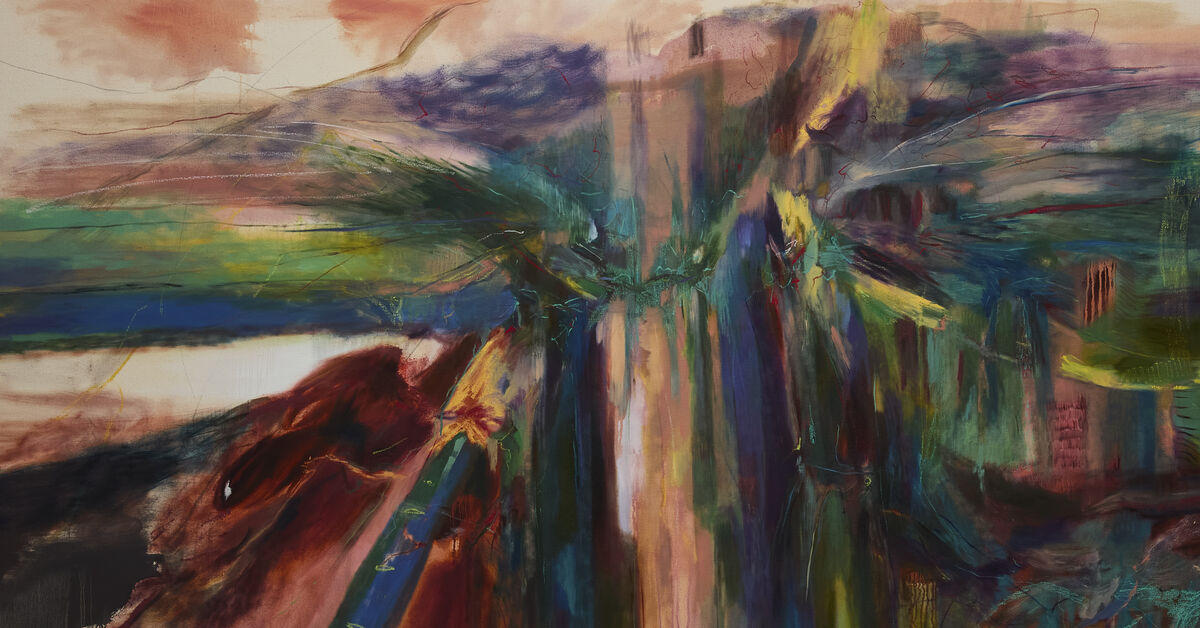
In L’âme de L’âme (2026), the first painting Malas completed of this body of work, celestial bursts of pigment unfurl in gestural swirls. Deep purples, blues, reds, and greens gather into a spiritual atmosphere recalling the spiritually evocative scenes of 16th century Italian painters such as Titian. Barely perceivable, spectral silhouettes appear and recede. The painting is a space of ascension, where earth meets spirit. The title, French for “soul of the soul,” also echoes the Arabic phrase Ruh al-Ruh, suggesting an innermost essence—something tender, sacred, and inseparable from love.
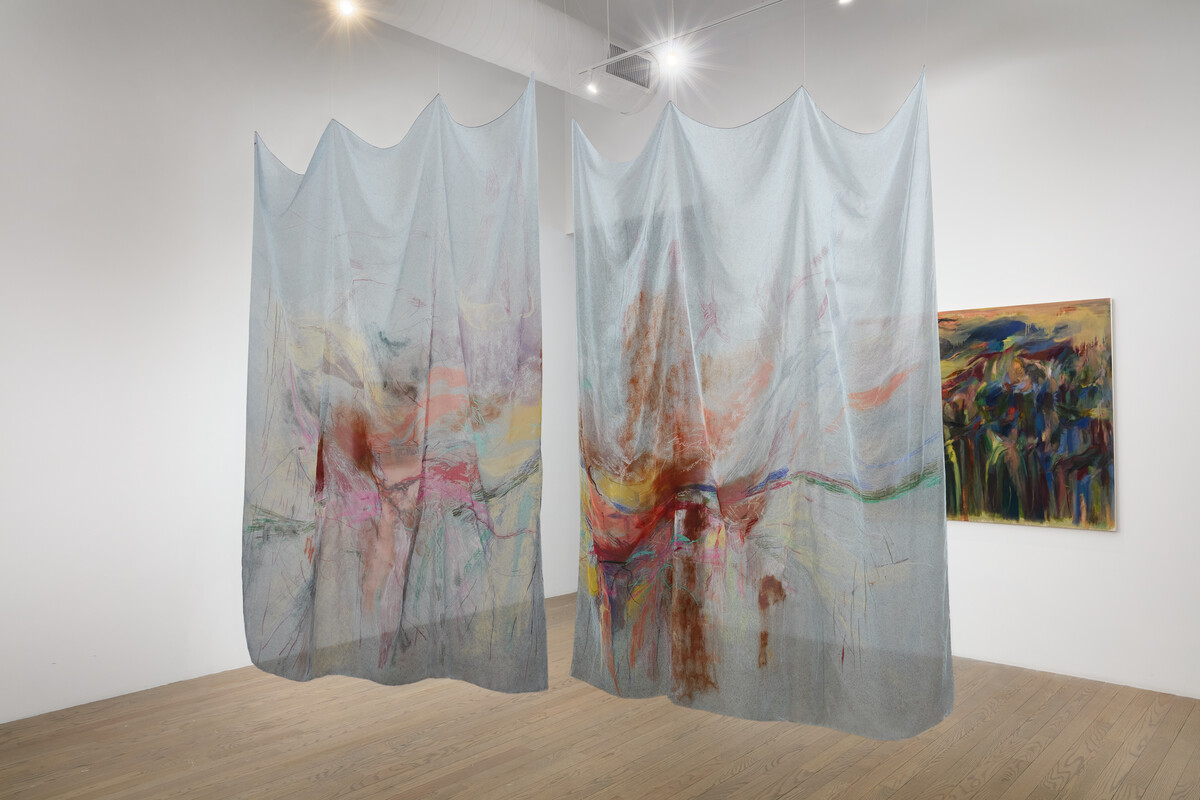
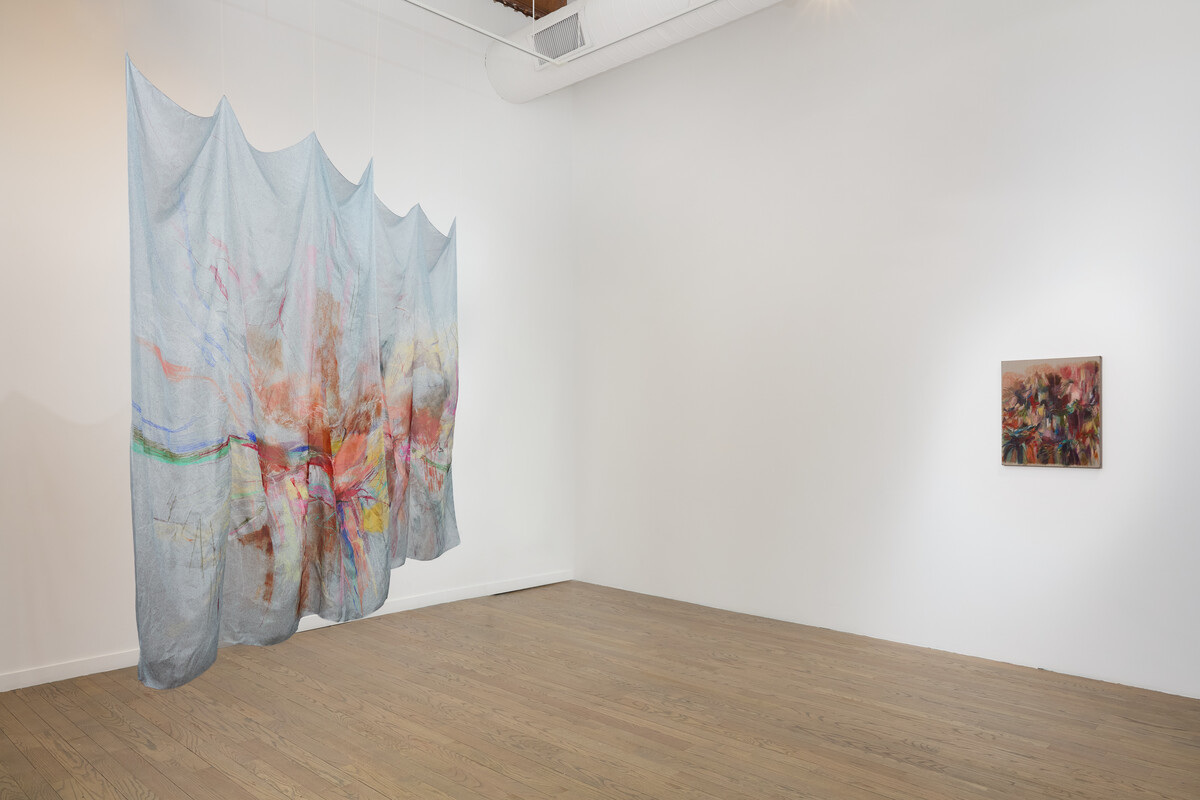
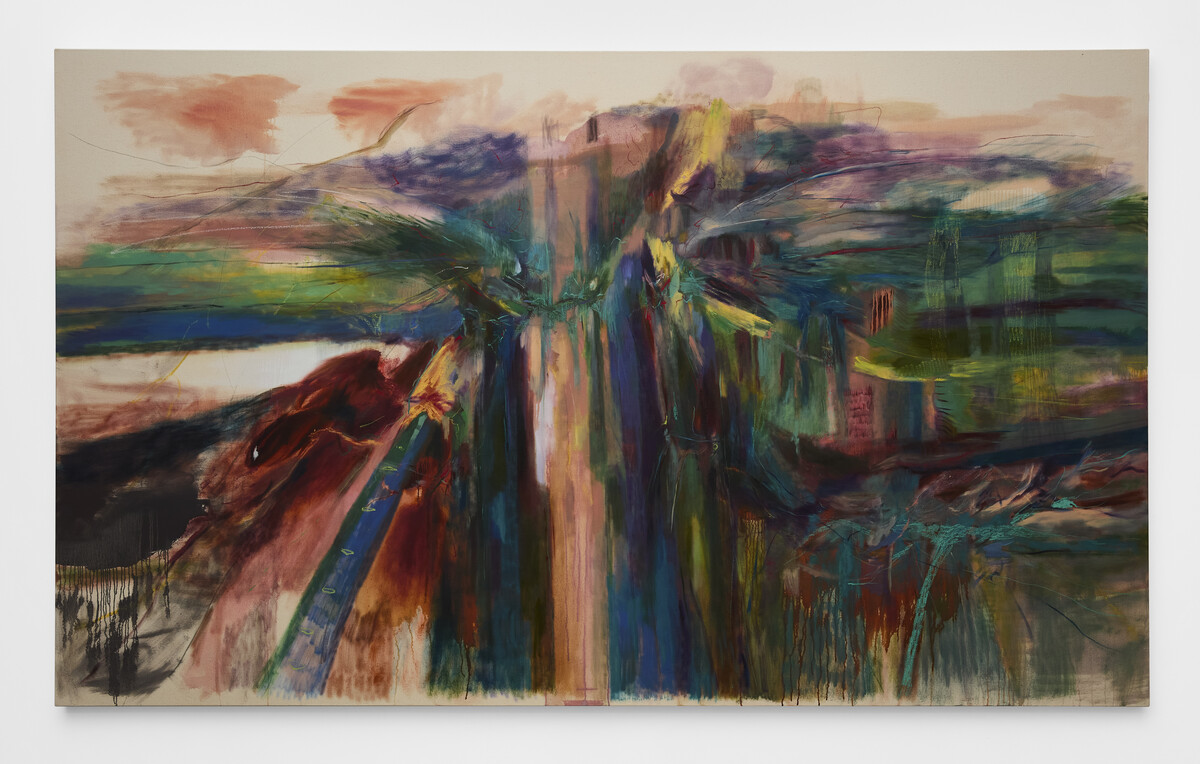
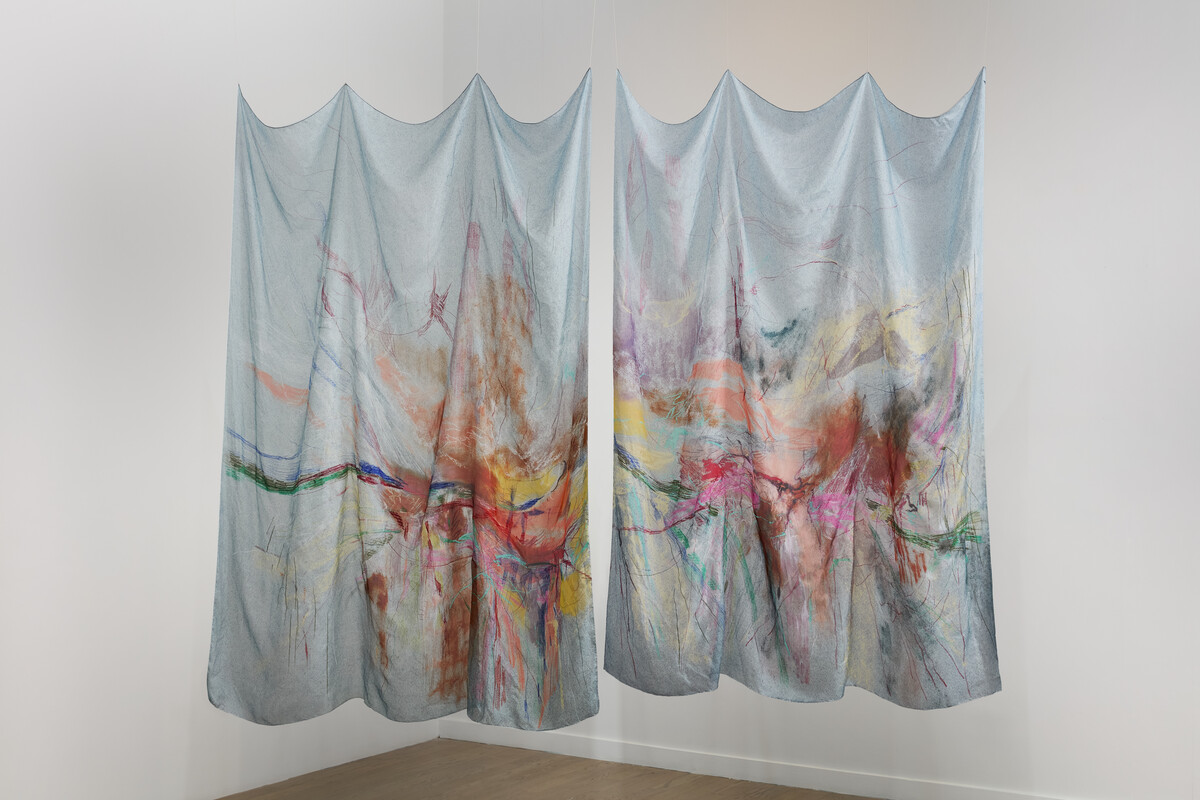
At the heart of Malas’s work is the spirit of her grandmother, who the artist attributes as being her spiritual guide. A continued embodiment of a childhood sense of nature, care, and safety, Malas’s ancestor personifies a space within the real world in which the artist, as a child, could retreat. In speaking to how she continues to communicate with her grandmother through dreams, Malas suggests how paintings can be portals into parallel, spiritual worlds. Conjuring new spaces with pigment, Malas is compelled to create sites of care, where imagination and magic can exist. In Sweetness and Light the artist’s grandmother, mother, and sister appear in turn as spectral figures or, as in the expansive landscape of Spiritual Wasteland, as memories, or personified emotions. A return to her roots as a sculptor, Malas’s world building unfolds into the gallery’s architecture through an installation of painted silk, Long Division (2026). Suspended six-foot panels of fabric envelop the viewer, undulating as one passes through the space. Embracing and enveloping the viewer, Long Division creates an impermeable space out of time, where we can, at least temporarily, be held.
Claiming “there is a sense of duty in painting a different picture,” Malas’s practice emerges from her own ineffable impulse to channel the emotional weight of existence. Considering how her own experience of revolution and war was in part channeled through the lives of family members, Malas’s practice relies on our ability to transport through time, and feel, viscerally alternative aspects of the same reality. This impulse transforms pigment into emotional, social residues, giving form to sites that exist on the other side of grief, in which we can escape and imagine a different present, and future.
Installation Images:
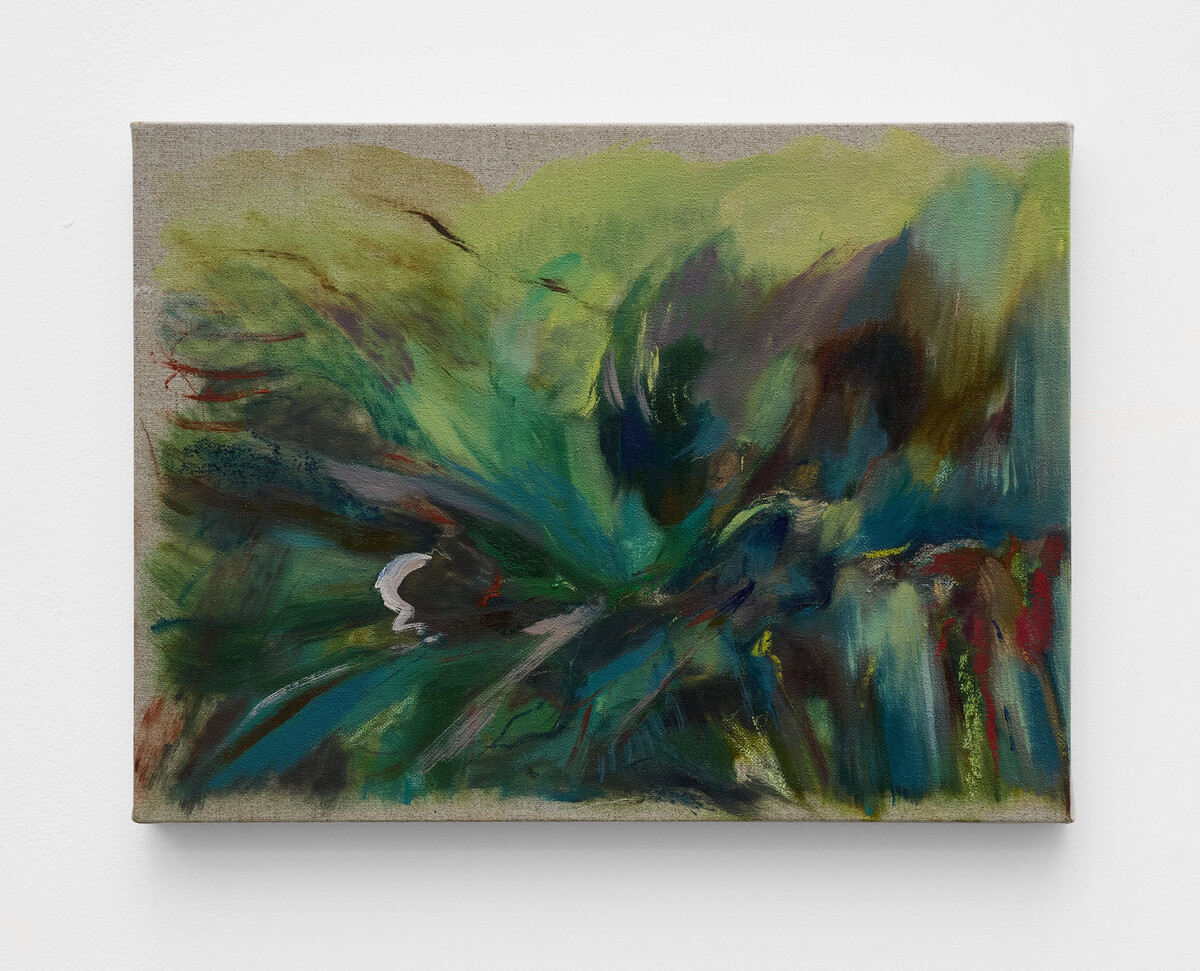
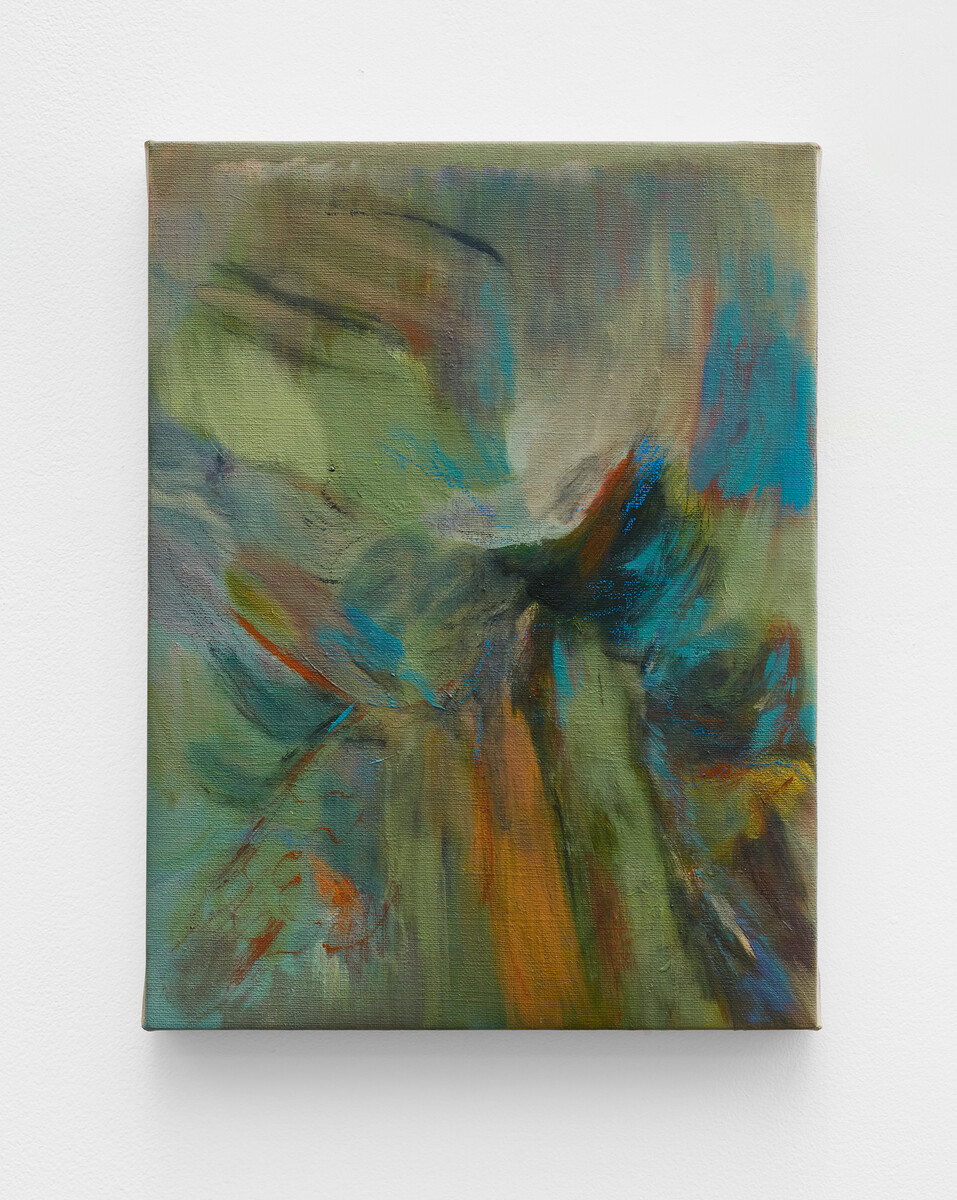
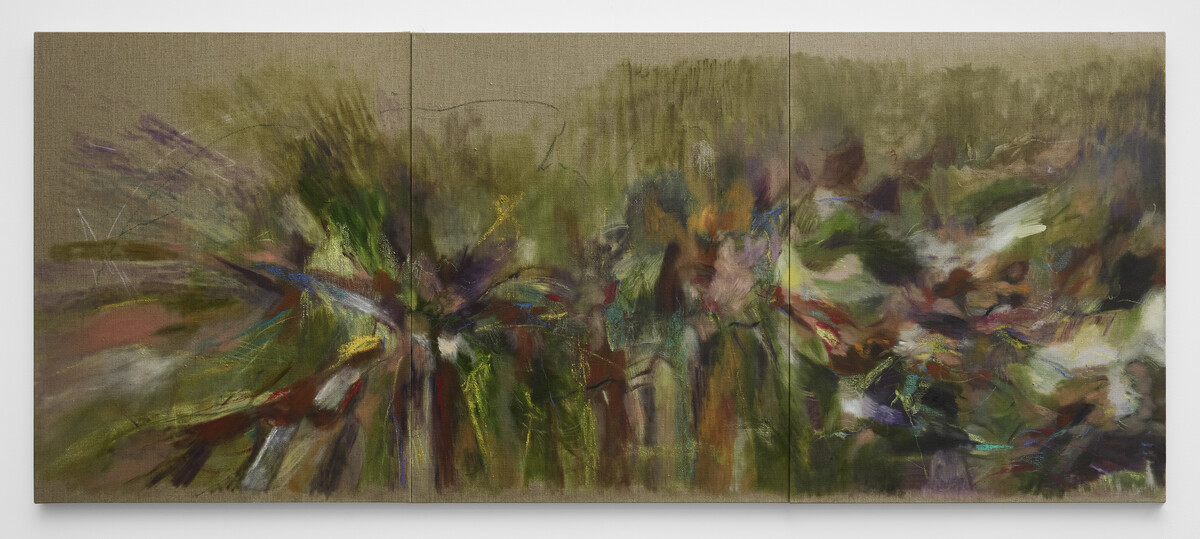
Pools of Love
2026
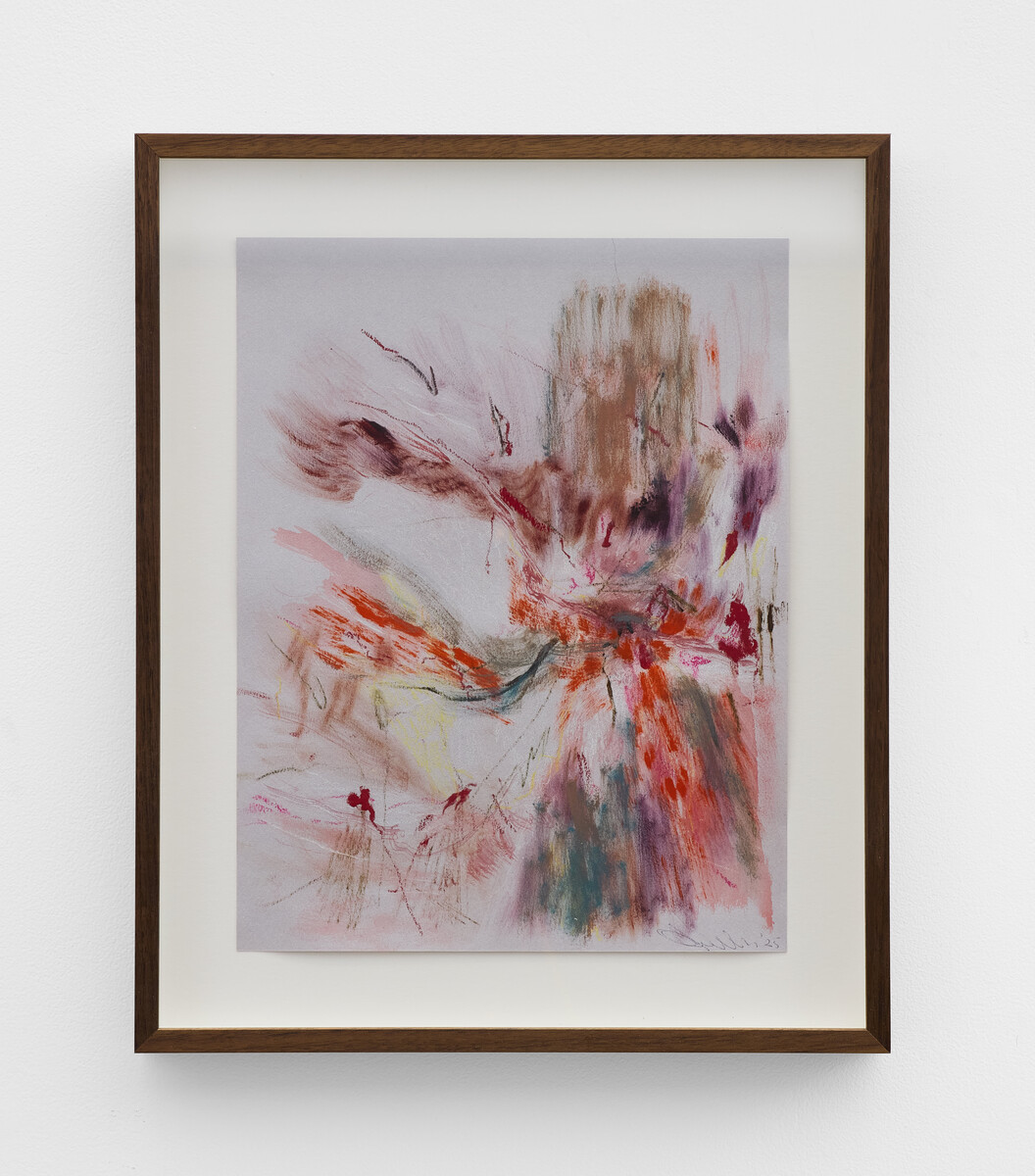
Revealing Palm
2026
Born for Love
2026
Long Division
2026
Metamorphosis
2026
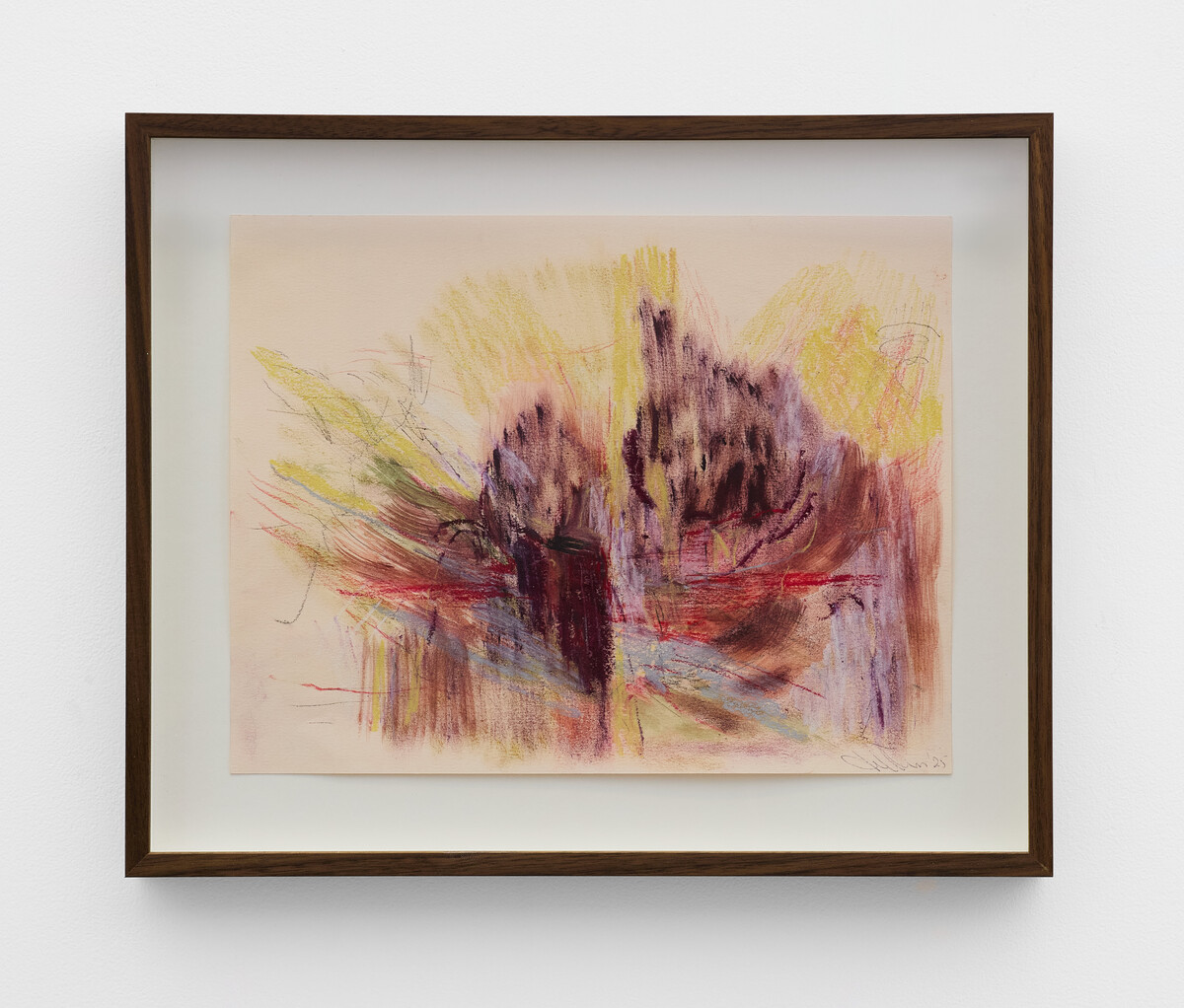
Aquarius
2026
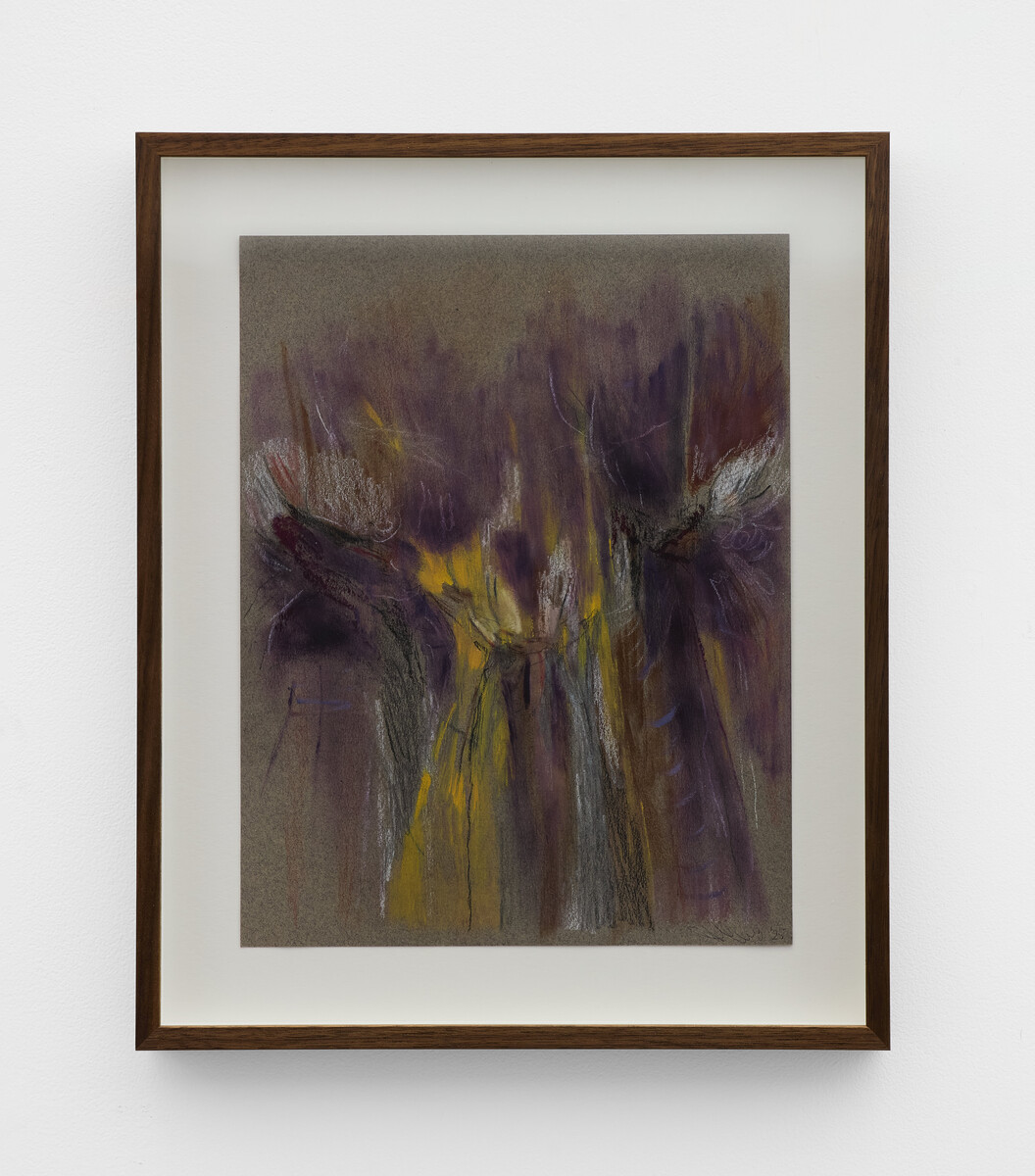
Angel Eyes
2026
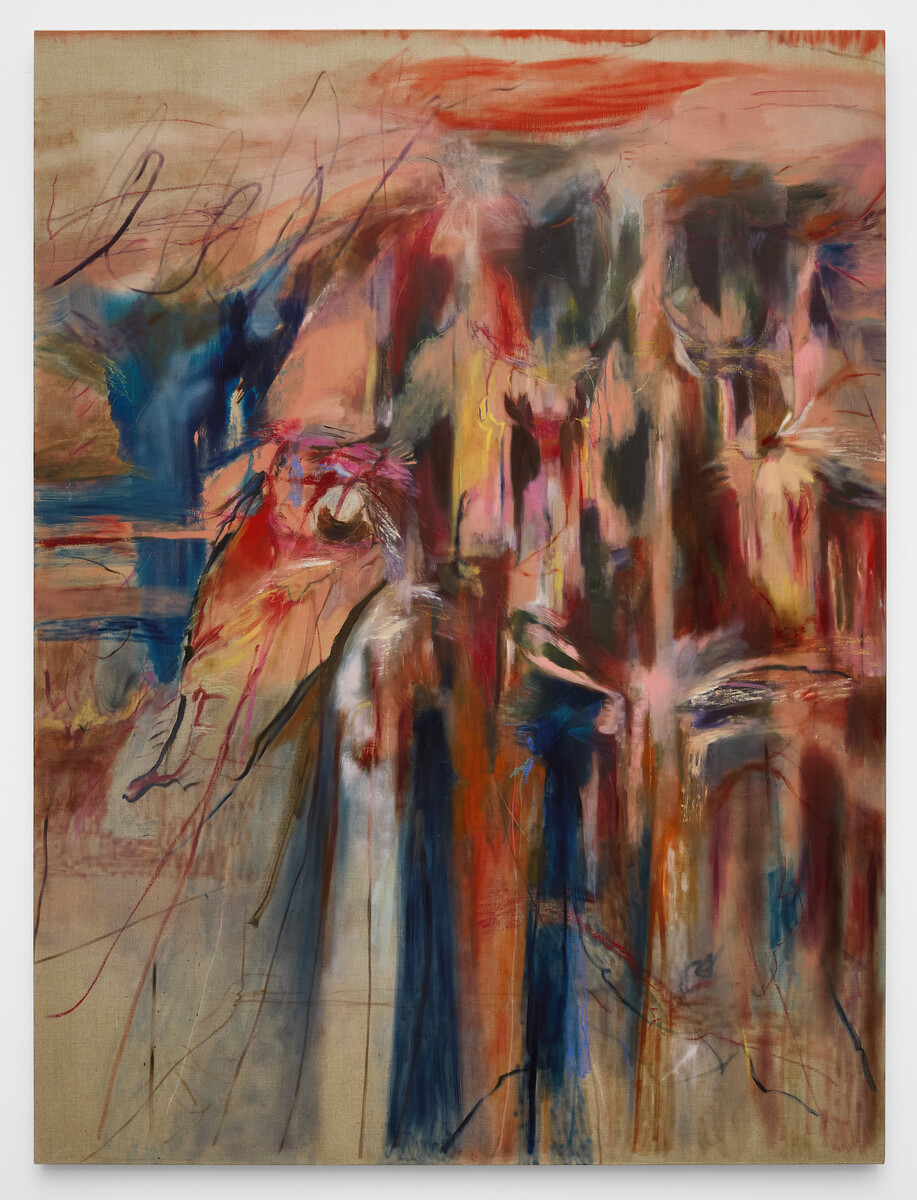
My Dirt, My Dear
2026
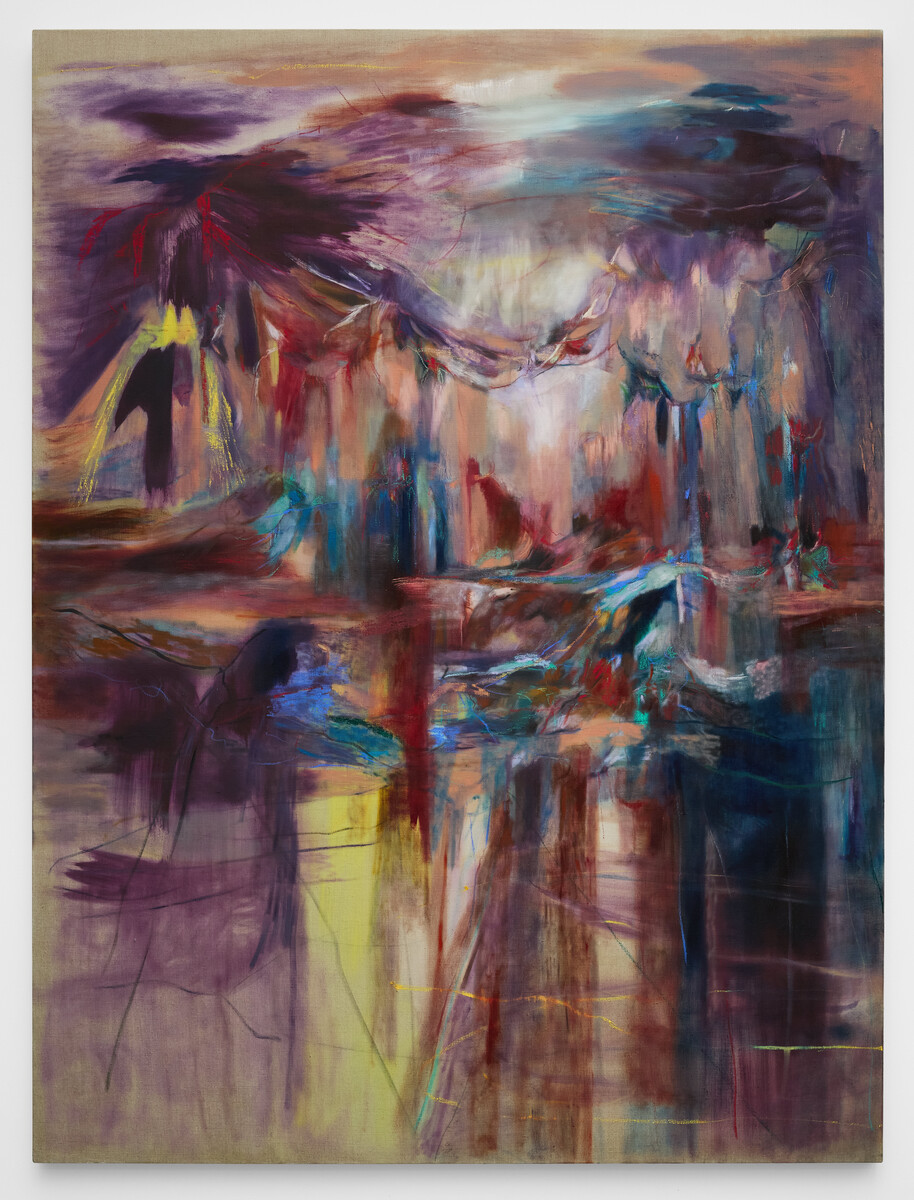
L’ame de L’ame
2026
8 Must-See Solo Gallery Shows in June
Galerie Magazine
Jun 1, 2026
Jun 1, 2026
Nour Malas | When I Arose, I Was Reborn
Flaunt Magazine
Aug 11, 2026
Aug 11, 2026